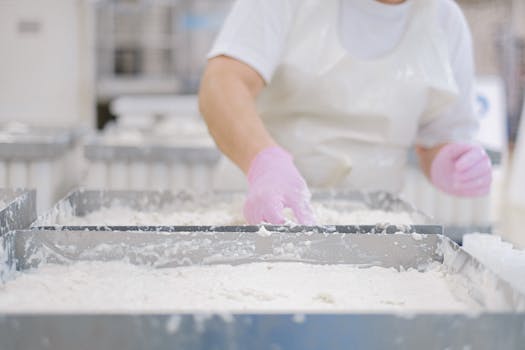

Imagine a bustling manufacturing plant, gears grinding, production lines humming. Amidst this complex ecosystem, a less visible, yet equally vital, operation is in full swing: industrial cleaning. It’s more than just sweeping floors; it’s about maintaining safety, ensuring compliance, and optimizing operational efficiency. For those looking to carve out a niche in this demanding sector, understanding the intricacies of an industrial cleaning business is paramount. It’s a field where precision, expertise, and a robust business strategy are key to not just surviving, but truly excelling.
Why Industrial Cleaning Demands a Specialized Approach
Unlike residential or commercial cleaning, industrial environments present unique challenges. Think heavy machinery, specialized materials, hazardous substances, and stringent regulatory requirements. A one-size-fits-all approach simply won’t cut it. This isn’t about sparkling office cubicles; it’s about deep-seated grime, potential environmental hazards, and the critical need for specialized equipment and trained personnel.
For example, cleaning a food processing plant involves vastly different protocols than sanitizing a chemical manufacturing facility. The former requires food-grade disinfectants and meticulous attention to cross-contamination prevention, while the latter demands expertise in handling hazardous materials and ensuring no residual contaminants are left behind. This specialization is the bedrock of a successful industrial cleaning business.
Building Your Foundation: Essential Steps to Launch
Starting an industrial cleaning business isn’t a flick-of-a-switch endeavor. It requires careful planning and a solid understanding of the market.
#### 1. Defining Your Niche and Target Market
The industrial sector is vast. Are you focusing on:
Manufacturing Plants: Requiring specialized equipment cleaning, floor maintenance, and dust control.
Food and Beverage Facilities: Demanding strict hygiene standards, sanitization, and allergen control.
Pharmaceutical Labs: Needing sterile environments, cleanroom protocols, and biohazard management.
Warehousing and Logistics: Focusing on large-scale floor cleaning, debris removal, and dock area maintenance.
Power Generation Facilities: Involving high-risk environments and specialized cleaning of turbines, boilers, and related infrastructure.
Identifying your niche allows you to tailor your services, marketing, and equipment to meet specific industry needs. This focus also helps you stand out from general cleaning services.
#### 2. Securing the Right Tools and Talent
The equipment needed for industrial cleaning is often heavy-duty and specialized. You’ll need to invest in:
High-powered pressure washers: For stubborn grime and large surface areas.
Industrial vacuums: Capable of handling fine dust, debris, and potentially hazardous materials.
Specialized cleaning agents: Formulated for specific industrial contaminants and safety regulations.
Personal Protective Equipment (PPE): Essential for your team’s safety in potentially hazardous environments.
Access equipment: Scaffolding, lifts, or platforms for high-reach cleaning.
Beyond equipment, your team is your greatest asset. Hiring individuals with a strong work ethic, attention to detail, and a willingness to undergo rigorous training is crucial. Certifications in hazardous material handling, confined space entry, or specific industry safety protocols can be a significant advantage for your staff. In my experience, investing in ongoing training not only enhances safety but also boosts team morale and competency.
Winning Clients: Strategies for Growth
Acquiring and retaining industrial clients requires a different approach than typical B2B sales. It’s about building trust, demonstrating expertise, and delivering consistent, high-quality results.
#### 1. Crafting a Compelling Service Offering
Your service proposals need to be detailed and transparent. Clearly outline:
Scope of work: Exactly what will be cleaned and how.
Methodology: The specific techniques and equipment you will use.
Safety protocols: How you ensure the safety of their employees and property.
Environmental compliance: Your commitment to responsible waste disposal and eco-friendly practices.
Pricing structure: Be clear and justifiable.
Highlighting your unique selling propositions (USPs) is critical. Are you faster, more thorough, more environmentally conscious, or do you offer specialized services others don’t? For example, offering a detailed post-cleaning report with photographic evidence can be a powerful differentiator.
#### 2. Networking and Building Relationships
Industrial cleaning businesses often secure contracts through relationships and reputation.
Industry events and trade shows: Exhibit or attend to connect with potential clients.
Partnerships with facility management companies: They often outsource specialized cleaning tasks.
Online presence: A professional website showcasing your services, case studies, and testimonials is a must. Search engine optimization (SEO) for terms like “specialized industrial cleaning services” can drive organic traffic.
Referral programs: Encourage satisfied clients to recommend your services.
Remember, industrial contracts are often long-term. Focusing on exceptional service delivery will naturally lead to repeat business and valuable referrals. It’s far more cost-effective to retain a client than to constantly seek new ones.
Operational Excellence: The Backbone of Reliability
Once you’ve landed clients, maintaining operational excellence is key to long-term success. This involves efficient management of your team, resources, and quality control.
#### 1. Implementing Robust Quality Control Measures
Consistency is non-negotiable. Implement a system to ensure every job meets your high standards. This could include:
Pre-job checklists: To ensure all necessary equipment and supplies are on-site.
On-site inspections: By supervisors or team leads.
Post-job client sign-off: To confirm satisfaction.
Regular team meetings: To discuss performance, identify challenges, and share best practices.
This structured approach helps identify and rectify issues before they escalate, maintaining client trust and preventing costly rework.
#### 2. Embracing Technology for Efficiency
The right technology can streamline operations and improve profitability. Consider:
Job management software: For scheduling, dispatching, and tracking jobs.
Inventory management systems: To monitor chemical supplies and equipment.
Communication platforms: For seamless team coordination.
Data analytics: To track job profitability, identify trends, and optimize resource allocation.
Leveraging these tools allows your industrial cleaning business to operate more leanly and effectively, freeing up your time for strategic growth initiatives.
Navigating Compliance and Safety Standards
The industrial sector is heavily regulated, and adherence to safety and environmental standards isn’t optional – it’s a fundamental requirement.
#### 1. Staying Ahead of Regulations
Familiarize yourself with all relevant local, state, and federal regulations pertaining to industrial cleaning, waste disposal, hazardous materials, and workplace safety. This includes OSHA standards, EPA guidelines, and any industry-specific mandates. Failing to comply can result in hefty fines, legal action, and irreparable damage to your reputation. It’s wise to consult with legal and environmental experts to ensure your operations are always up to par.
#### 2. Prioritizing a Safety Culture
A strong safety culture begins at the top. Your commitment to safety should be evident in every aspect of your operations. This means:
Comprehensive safety training: For all employees, covering hazard identification, safe equipment operation, and emergency procedures.
Regular safety audits: To identify and mitigate potential risks.
Encouraging reporting: Create an environment where employees feel comfortable reporting safety concerns without fear of reprisal.
* Investing in proper safety equipment: And ensuring it’s maintained and used correctly.
One thing to keep in mind is that a proactive approach to safety not only protects your employees and clients but also reduces insurance premiums and potential liabilities.
The Future Landscape of Industrial Cleaning
As industries evolve, so too will the demands on cleaning services. The rise of sustainable practices, advanced materials, and increasing automation will shape the future of industrial cleaning. Businesses that are agile, invest in new technologies, and continually adapt their skill sets will be best positioned for sustained success. The demand for specialized expertise in industrial settings is only set to grow.
Wrapping Up: Building a Legacy of Cleanliness and Trust
Establishing a successful industrial cleaning business is a marathon, not a sprint. It requires a deep understanding of specialized cleaning needs, a commitment to safety and compliance, strategic client acquisition, and a relentless pursuit of operational excellence. By focusing on building strong relationships, investing in your team and equipment, and staying ahead of industry trends, you can create a robust and reputable business that serves the critical needs of various industrial sectors.
So, are you ready to roll up your sleeves and build a foundation of trust and unparalleled cleanliness for your clients?